
7 signs you may have SIBO bacterial overgrowth in your small intestine (and what to do about it)
Do you suffer from bloating, constipation, gas, diarrhoea, food intolerances or sensitivities or restless leg syndrome? Would you like to know what causes it? There is a little-known condition called Small Intestinal Bacterial Overgrowth (SIBO) that is estimated to cause up to 84% of cases of Irritable Bowel Syndrome. So how can you tell if you have it?
- Bloating
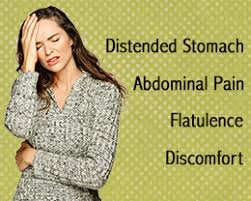
Have you ever had to undo your belt buckle because your gut has bloated and made you look like you’re pregnant? A feeling of fullness and discomfort, especially 1-2 hours after eating meals rich in carbohydrates (sugars are a type of carbohydrate). Bloating is a really common symptom of SIBO and is caused by gasses being released by the bacteria as they ferment and digest your food.
—
- Abdominal pain and cramps
Small intestinal bacterial overgrowth causes inflammation in your digestive tract , which can lead to painful symptoms such as abdominal pain and cramping. Linked to the bloating, as the gases build up in the small intestine, they stretch the intestinal walls, and this can be very painful. In some people this pain can be crippling, really affecting their ability to ordinary daily tasks. Unexplained pain and cramping commonly occur and can leave you feeling miserable and very uncomfortable. –
- Constipation
Have you noticed that you don’t have daily bowel movements? Or perhaps you don’t feel like you have fully emptied your bowels when you have been to the toilet. SIBO can disrupt the natural gut flora, which affects your ability to eliminate waste. The excess bacteria in your small intestine can disrupt the regular movement of the bowel, called the Migrating Motor Complex, which can lead to constipation.
—
- Diarrhoea
At the opposite end of the spectrum, some people experience regular diarrhoea with SIBO because their gut is over stimulated. Not only is this unpleasant, it also makes outings difficult as you are left worrying about where the closest toilet is.
Often seen as a symptom of irritable bowel syndrome (IBS), alternating diarrhoea and constipation can also be a symptom of SIBO. The mechanism for this symptom is less clear than the others but many doctors think that at least some people who think they have IBS actually have SIBO.
—
- Gas and wind
Feeling gassy? This is another common symptom of SIBO. The gasses (burping and wind) are created by the bacteria as a bi-product of them eating and fermenting your food. The small intestine isn’t designed to be full of gas, so it needs to escape, and comes out as a burp or wind. Once the gas has built up in the small intestine it has to go somewhere! Whilst its normal to belch after eating or drinking, especially after drinking something fizzy, SIBO can cause really excessive belching that is uncomfortable and embarrassing. Some wind is normal, after all everybody farts! Patient with SIBO are often very windy and the wind can be very smelly.
—
- Food intolerances or sensitivities
The excess bacteria in your small intestine can result in you becoming intolerant or sensitive to foods. Have you noticed that foods you once ate with abandon now cause any or all of the symptoms listed above? Food intolerances such as gluten, casein, lactose, fructose, and particularly histamine intolerance: SIBO causes dysmotility, which inhibits your ability to properly digest foods and allows both food and bacteria to sit in your digestive system for longer, further exacerbating inflammation and SIBO symptoms.
—
- Restless leg syndrome
Have you ever felt like your feet and legs are full of ants and you want to rip them off or kick them until the sensation stops? Restless Leg Syndrome (RLS) is commonly experienced by people who have SIBO. RLS is a condition that causes an uncontrollable urge to move your legs, usually because of an uncomfortable sensation. It typically happens in the evening or nighttime hours when you’re sitting or lying down. It is believed that the damage to the gut lining, caused by the SIBO, increases the likelihood of RLS occurring.
—
So what can you do about it?
—
The first step in understanding if you have SIBO is to find a Practitioner who is experienced in this condition. They will order a breath test for you which is certainly the gold standard when it comes to a SIBO test. It is the most accurate and determines if the SIBO is hydrogen or methane dominant.. If the results come back positive, they will develop a treatment program for you to reduce your bacteria. Treatment options include antibiotics, herbal supplements or a specially formulated liquid diet. In conjunction, a temporary modified diet is followed to reduce the foods the bacteria love to eat and thrive from.